No products in the cart.


Top Essential Physiotherapy Equipment for Clinics and Home Use Leave a comment
Physiotherapy plays a crucial role in recovery, mobility improvement, and overall physical well-being. Whether you are setting up a professional clinic or creating a home-based rehabilitation space, having the right therapy room equipment is essential for effective treatment outcomes.
From CP therapy equipment to educational toys for kids, modern physiotherapy integrates tools that support both physical and cognitive development—especially for children with special needs. This guide covers the most important physiotherapy equipment, helping you choose the right tools for clinics and home use.
Why Choosing the Right Physiotherapy Equipment Matters
The effectiveness of any rehabilitation program depends heavily on the quality and suitability of equipment. Proper rehabilitation equipment helps:
- Improve mobility and flexibility
- Enhance muscle strength
- Support posture correction
- Aid recovery after injury or surgery
- Assist children with developmental delays
For children, especially those requiring pediatric therapy equipment, the right tools can significantly improve independence and quality of life.
1. Therapy Room Equipment Essentials
A well-equipped therapy room is the foundation of any successful physiotherapy practice. Whether in a clinic or at home, these essentials are must-haves:
Key Equipment:
- Therapy beds and treatment tables
- Resistance bands and exercise balls
- Balance boards and posture trainers
- Mirrors for posture correction
- Sensory room equipment
Modern therapy clinic furniture is designed for comfort, durability, and functionality. For pediatric setups, incorporating bright, engaging elements improves participation.
2. CP Standing Frames and Chairs
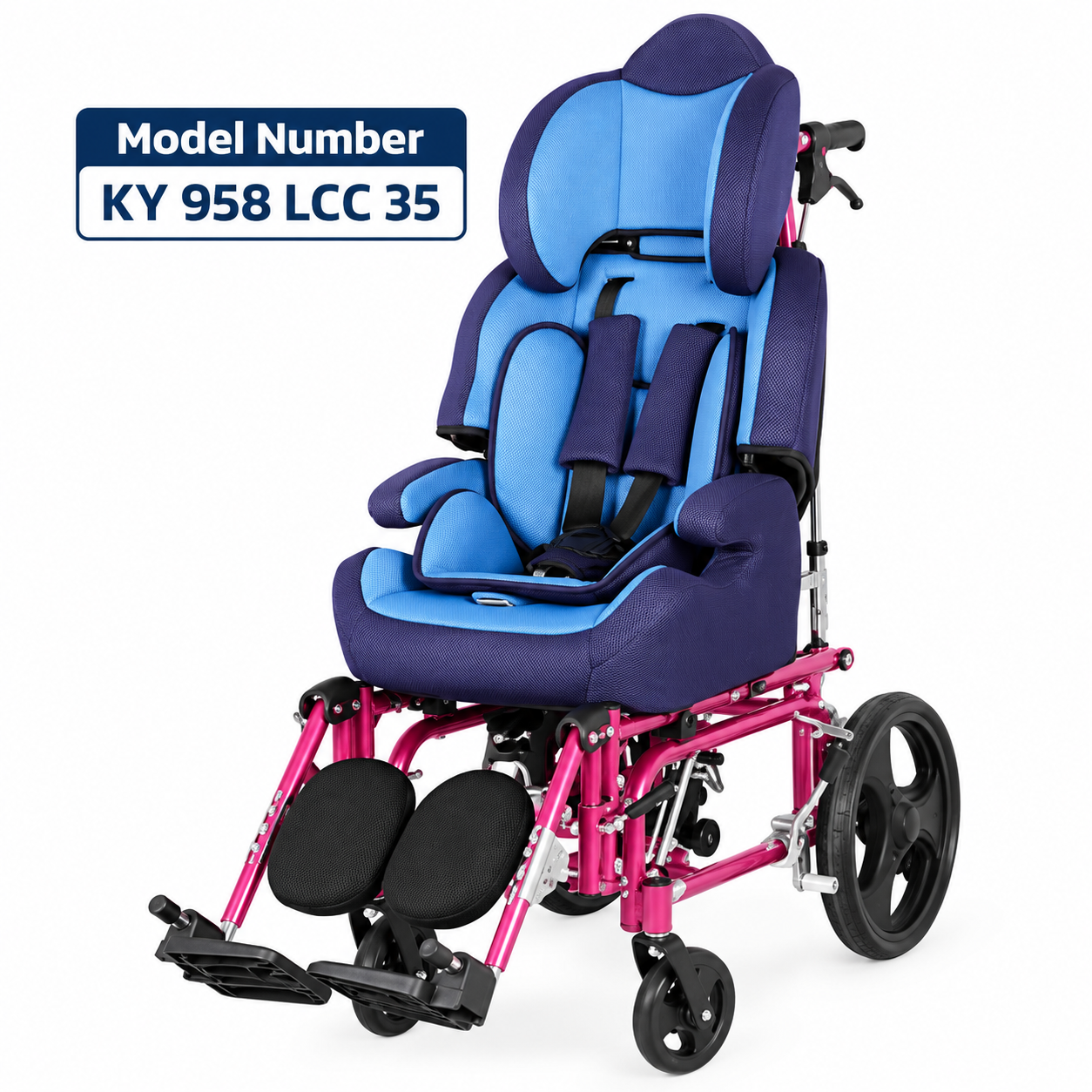
Children with cerebral palsy often require specialized support for posture and mobility. CP standing frames and therapy standing chairs are critical tools in both clinics and home settings.
Benefits:
- Promote proper posture and alignment
- Improve circulation and bone development
- Support weight-bearing activities
- Enhance independence
Types:
- Pediatric standing frame
- Adjustable standing frame for kids
- CP therapy chair
- Supportive seating for disabled children
These special needs seating systems are designed to provide maximum comfort while encouraging functional movement.
3. CP Walkers and Gait Trainers
Mobility is a key goal in physiotherapy. CP walkers and pediatric gait trainers help children develop walking skills safely and effectively.
Features to Look For:
- Adjustable height and support
- Lightweight and durable design
- Safety harness or support system
Benefits:
- Improve balance and coordination
- Encourage independent movement
- Build muscle strength
Popular Options:
- Cerebral palsy walker
- Rehabilitation walker for children
- Mobility walker for special needs
4. Occupational Therapy Equipment
Occupational therapy equipment focuses on improving daily living skills and fine motor development. These tools are especially useful for children with developmental challenges.
Common Equipment:
- Hand therapy tools
- Fine motor skill toys
- Grip strengtheners
- Coordination boards
These tools are widely used in pediatric therapy equipment setups and can also be used at home for consistent progress.
Benefits:
- Enhance hand-eye coordination
- Improve daily functioning skills
- Support independence
5. Educational and Therapy Toys
Integrating educational toys for kids into physiotherapy sessions makes therapy more engaging and effective.
Types of Therapy Toys:
- Sensory toys for autism
- Occupational therapy toys
- Montessori toys
- Learning toys for toddlers
These toys are designed to stimulate cognitive and physical development simultaneously.
Benefits:
- Improve fine motor skills
- Encourage sensory exploration
- Enhance focus and learning
6. Sensory Room Equipment
A sensory-friendly environment is essential for children with autism and other developmental conditions.
Must-Have Items:
- Weighted blankets
- Soft lighting systems
- Textured surfaces
- Interactive sensory panels
Sensory room equipment helps regulate emotions and improve focus during therapy sessions.
7. Mobility and Rehabilitation Equipment
General rehabilitation equipment is essential for both adults and children recovering from injuries or surgeries.
Examples:
- Exercise bikes
- Treadmills
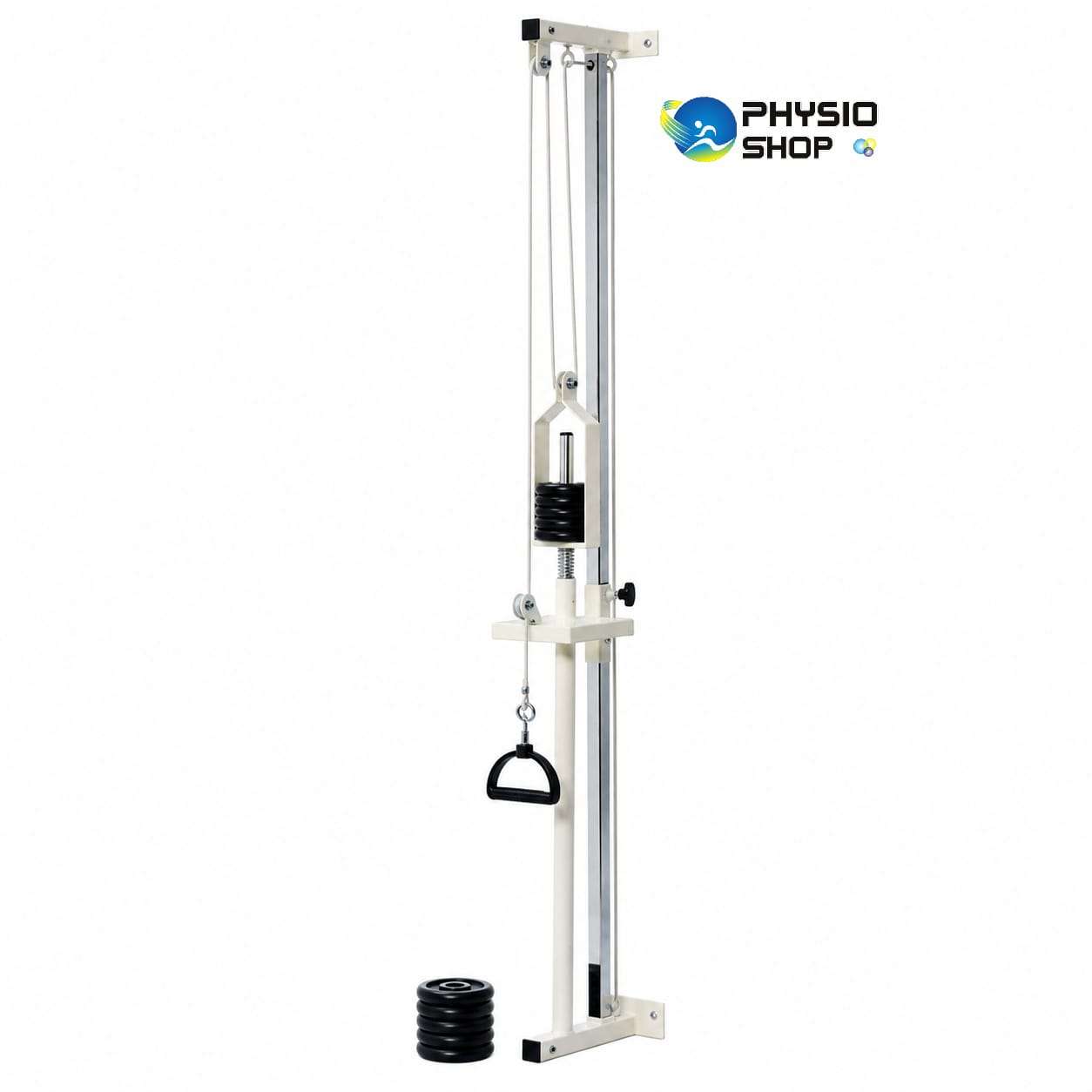
- Resistance machines
- Parallel bars
These tools are widely used in physiotherapy equipment setups to restore strength and endurance.
8. Home Physiotherapy Equipment Setup
With the rise of home-based care, many families are investing in therapy tools for children and adults.
Home Setup Essentials:
- Compact therapy bed
- Resistance bands
- CP walker or gait trainer
- Therapy toys
Benefits of Home Therapy:
- Convenience and consistency
- Cost-effective in the long run
- Personalized therapy sessions
9. Therapy Room Setup Ideas
Designing an effective therapy space requires careful planning.
Tips:
- Use bright, engaging colors for pediatric rooms
- Ensure enough space for movement
- Include storage for equipment
- Maintain safety and hygiene
10. Choosing the Right Equipment Supplier
When purchasing equipment, quality and reliability matter.
What to Consider:
- Product durability
- Safety standards
- Price and warranty
- After-sales support
Benefits of Investing in Quality Physiotherapy Equipment
Whether for clinics or home use, investing in high-quality physiotherapy equipment offers long-term benefits:
- Faster recovery times
- Improved therapy outcomes
- Enhanced patient comfort
- Greater independence for users
For children, especially those needing special needs equipment, the right tools can make a life-changing difference.
Final Thoughts
Setting up a physiotherapy clinic or home therapy space requires careful selection of the right equipment. From CP standing frames and CP walkers to educational toys and sensory room equipment, each tool plays a vital role in rehabilitation and development.
By combining therapy room equipment, occupational therapy equipment, and engaging learning toys for toddlers, you can create a comprehensive therapy environment that supports both physical and cognitive growth.